

|
||
|
|
||
|
||
|
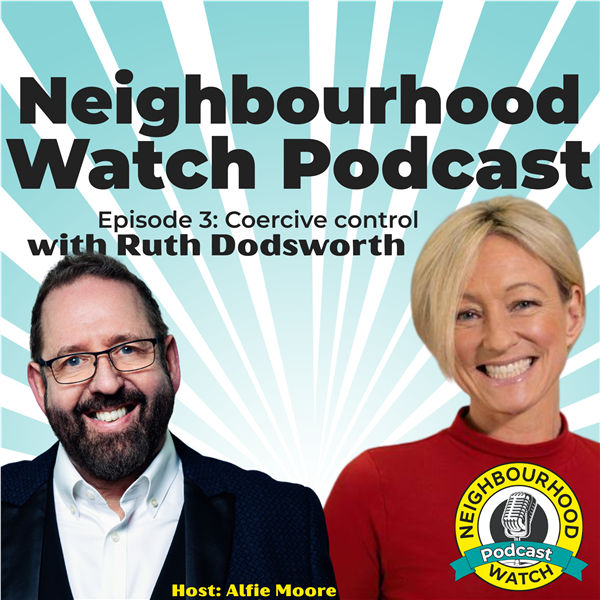
Learn about coercive control - a special episode of the Neighbourhood Watch podcast with Ruth Dodsworth OBE |
||
|
Families affected by domestic abuse often live with it for a long time before getting help. On average, people assessed as high risk experience it for nearly two and a half years before receiving support. It is vital that we understand why leaving or speaking out can be so difficult, so that we can support vulnerable people more effectively. To many people, Ruth Dodsworth appeared to have it all: a successful television career, a loving family and a long-term relationship. But behind the scenes, she was living what she later described as a "double life". It took years for Ruth to recognise the abuse she was experiencing and to find a way out. In 2019, her former husband, Jonathan Wignall, was jailed for coercive and controlling behaviour and stalking. Since then, Ruth has become a powerful advocate for victims and survivors of domestic abuse, receiving an OBE in 2025 for her services to the cause. We are incredibly grateful to Ruth for sharing her story on our podcast. It is a sensitive and, at times, challenging conversation, but it is also insightful, powerful and ultimately hopeful. By listening, you'll gain a deeper understanding of coercive control, why people can become trapped in abusive relationships, and what support can make a difference. Listen to the episode here.
Need help or support?If you are in immediate danger, call 999. You do not need to wait until a situation becomes an emergency to seek help. If you are experiencing domestic abuse, tell someone you trust, such as your GP, a friend, family member or support organisation. You can find information about domestic abuse and available support services on GOV.UK. Other sources of supportSome pharmacies and banks provide safe spaces in their consultation rooms for people experiencing domestic abuse. Find out about Safe Space locations near you. The Survivor's Handbook from the charity Women's Aid is free and provides information for women on a wide range of issues, such as housing, money, helping your children and your legal rights. If you're worried you are behaving abusively in your relationship, call the free Respect Phoneline on 0808 802 4040. What is coercive control?Coercive control is defined as "an intentional pattern of behaviour which takes place over time, in order for one individual to exert power, control or coercion over another" (Home Office, 2023). Domestic abuse is not always physical. Coercive control can create an invisible prison of fear, isolation and dependency that affects every aspect of a person's life. It restricts freedom, undermines confidence and can make it extremely difficult to leave. Worried someone will know you saw this? If you're worried someone might see you have visited this page, the Women's Aid website tells you how to cover your tracks online.
| ||
Reply to this message | ||
|


|